
 020 3744 3778
Maximizing your garden with container gardening methods
Posted on 27/09/2025
Maximizing Your Garden with Container Gardening Methods: A Complete Guide
Are you looking to elevate your gardening skills, save space, and enjoy a stunning, productive outdoor area even with limited room? Maximizing your garden with container gardening methods could be the solution you need. This versatile approach allows anyone--from urban dwellers with tiny balconies to homeowners with sprawling backyards--to cultivate vibrant, thriving plants almost anywhere. In this comprehensive article, we'll delve into the essential strategies, tips, and innovative techniques to help you achieve remarkable results with container gardening.
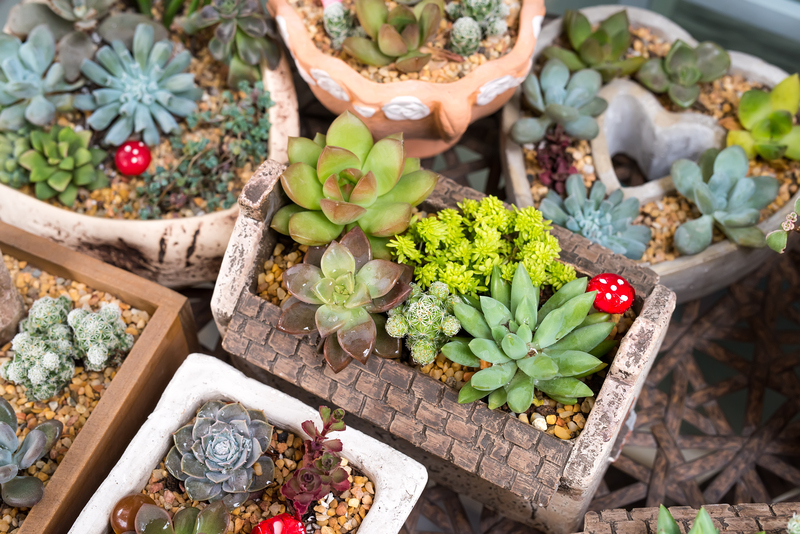
What is Container Gardening?
Container gardening means growing plants exclusively in pots, planters, or other containers instead of planting them directly in the ground. It's a practical and accessible technique that opens up a world of possibilities for maximizing your garden's productivity and beauty, especially in limited spaces or challenging growing conditions.
Why Choose Container Gardening?
- Flexibility: Move containers as needed for optimal sunlight or protection from pests.
- Accessibility: Great for people with mobility issues, as you can place containers at different heights.
- Versatility: Grow a diverse variety of plants, from flowers to vegetables to herbs and small fruit trees.
- Space efficiency: Transform patios, balconies, rooftops, and even windowsills into flourishing gardens.
- Soil control: Use high-quality soil mixes tailored to specific plant needs, minimizing disease risks.
Getting Started: Essentials of Container Gardening
To maximize a garden using container gardening techniques, you need to begin with the right foundation. Here are the components you'll need:
Choosing the Right Containers
The choice of container is fundamental. There are numerous options available, including terra cotta, plastic, ceramic, metal, and recycled materials. Each has advantages and disadvantages:
- Terra Cotta: Classic look, well-aerated, but dries out quickly and can crack in cold weather.
- Plastic: Lightweight, affordable, retains water well, but less breathable for roots.
- Ceramic: Decorative, durable, but can be heavy and expensive.
- Metal: Modern appearance, durable, but may overheat roots in sunny spots.
- Recycled/Upcycled: Eco-friendly; just ensure the material is safe for plants.
Make sure all containers have drainage holes to prevent waterlogged roots, and consider double-potting sensitive plants for added insulation in extreme temperatures.
Potting Mix and Soil Amendments
Maximizing your garden with container methods means starting with high-quality potting mixes. These are typically lighter than standard garden soil, providing better aeration and drainage while retaining enough moisture for root health.
- Soilless Mixes: Made from peat, coco coir, vermiculite, and perlite for healthy root development.
- Compost: Adds nutrients and improves water retention.
- Slow-release Fertilizers: Supplement plant growth and reduce ongoing maintenance.
- Organic Additives: Worm castings or biochar can boost soil microbial activity.
Tip: Always refresh or sterilize your potting mix between seasons to minimize disease and maintain plant vigor.
Selecting the Right Plants for Container Gardening
Whether you're maximizing small spaces or supplementing an existing garden, the choice of plants matters. Consider the following factors:
- Sunlight Requirements: Group sun-lovers separately from shade-tolerant species.
- Mature Size: Pick dwarf or compact varieties for limited space.
- Water Needs: Combine plants with similar irrigation preferences in the same container.
- Root Depth: Deep containers for carrots and tomatoes, shallow for lettuces and herbs.
Watering and Maintenance
Containers often dry out faster than garden beds. Efficient watering is essential for maximizing your garden's yield and beauty:
- Check daily--especially in hot weather--by feeling the soil a few inches down.
- Self-watering containers can reduce maintenance and prevent under/overwatering.
- Mulch the surface with straw, bark, or even gravel to limit evaporation.
- Fertilize regularly with diluted liquid feed for continuous healthy growth.
Creative Container Gardening Ideas to Maximize Your Space
Vertical Gardening in Containers
One of the best ways to maximize your garden with container gardening methods is to use vertical space. Vertical container gardens allow you to grow more plants per square foot. Here's how you can achieve this:
- Hanging baskets: Ideal for trailing flowers, strawberries, or cherry tomatoes.
- Trellised pots: Grow cucumbers, peas, or beans up a trellis from a deep container.
- Wall-mounted planters: Affordable and available in various designs for herbs and small greens.
- Stacked container systems: Stacking pots or using a vertical planter tower for herbs and strawberries.
Mixing Ornamentals with Edibles
Why not have beauty and productivity in the same planter? Mixing edible and decorative plants is a smart way to maximize your garden using container gardening techniques.
- Pair colorful lettuces with marigolds or nasturtiums for both visual appeal and pest control.
- Grow dwarf fruit trees like lemons or figs in large decorative tubs, underplanted with herbs.
- Basil, chives, and parsley blend well around a striking centerpiece plant.
Succession Planting and Season Extension
Using containers, you can practice succession planting to harvest crops continuously. When one crop finishes, replant with a new one. Additionally, containers can be moved indoors or into greenhouses to extend the growing season.
- Start cool-season crops like spinach and peas in early spring, then switch to basil and tomatoes in summer.
- Utilize portable containers to bring frost-sensitive plants inside as the weather cools.
Utilizing Unusual Containers
Repurposing items such as wheelbarrows, old boots, teapots, or wine barrels as planters can maximize your garden's unique look and utility. Just ensure they have adequate drainage and are safe for food crops if edible plants are involved.
Popular Plants for Container Gardening
If you're new to the world of maximizing your garden with container gardening methods, start with some of these popular and reliable choices:
- Herbs: Basil, mint, thyme, chives, parsley, and cilantro adapt extremely well.
- Leafy Greens: Lettuce, spinach, arugula, and kale thrive in pots.
- Fruiting Vegetables: Cherry tomatoes, peppers, eggplants, and cucumbers (with trellises).
- Dwarf Fruit Trees: Blueberries, lemons, limes, and figs in large containers.
- Ornamentals: Petunias, marigolds, violas, coleus, and ornamental grasses.
Expert Tips for Maximizing Success with Container Gardening
Match Roots to Pot Size
One of the most critical factors in successful container gardening is matching your plant's root system to the right pot size. Crowded roots can stunt growth and reduce yields, while oversized pots sometimes cause wet, cold soil. Here's a quick reference:
- Small herbs and lettuces: 6-8 inch pots
- Peppers and eggplants: 10-12 inch pots
- Tomatoes and small fruit trees: 15-20 inch pots or larger
Rotate and Refresh
Maximize sunlight by rotating containers every few weeks, especially if your space is partially shaded. Refresh soil annually, and prune or divide perennial plants when needed.
Troubleshooting Common Issues
Use the following troubleshooting guide for optimal container garden health:
- Yellowing Leaves: Indicates overwatering, nutrient deficiency, or root crowding.
- Pest Infestation: Check under leaves; use natural deterrents like neem oil or insecticidal soap.
- Wilting: Often due to root rot (too much water), underwatering, or heat stress. Adjust accordingly.
Maximizing Beauty: Design Principles for Container Gardens
The "Thriller, Filler, Spiller" Rule
A timeless design trick is to combine a thriller (tall focal plant), filler (mounding, mid-size plants), and spiller (trailing plants that cascade down) in each pot. This not only maximizes visual appeal but also ensures efficient use of soil and nutrients.
- Thriller: Ornamental grasses, tall salvias, small shrubs.
- Filler: Geraniums, coleus, leafy greens.
- Spiller: Sweet potato vine, nasturtium, petunias.
Color and Texture
Place contrasting textures and complementary colors together to create eye-catching displays. For instance, silvery foliage pairs well with deep purples or hot reds, while feathery ferns contrast beautifully with broad-leafed succulents.
Eco-Friendly and Sustainable Container Gardening
- Reuse containers and materials where possible.
- Opt for organic fertilizers and pest control to support pollinators and local ecology.
- Collect rainwater for irrigation and limit water waste.
- Compost kitchen scraps to enrich your potting mix naturally.
Frequently Asked Questions about Maximizing Gardens with Container Gardening
What is the biggest advantage of container gardening?
The foremost benefit is space efficiency; you can grow a multitude of flowers, herbs, and veggies even without access to a traditional yard. Additionally, pest and disease management is simpler, and moving plants for sun or weather is easy.
Can I grow root vegetables in containers?
Absolutely! Carrots, radishes, potatoes, and beets can all thrive in deep pots filled with loose, well-drained soil.
How do I prevent containers from drying out too quickly?
- Use larger pots to retain more moisture.
- Combine water-retentive soil mix ingredients like coconut coir and vermiculite.
- Mulch the top of the soil to reduce evaporation.
- Consider a drip irrigation system or self-watering planters.
Conclusion: Unlock Your Gardening Potential
In summary, maximizing your garden with container gardening methods is both a practical and creative way to enjoy flourishing plants, whether you're working with a compact balcony or looking to augment a larger landscape. By understanding the right containers, soil, plants, and maintenance techniques, you unlock a world of gardening opportunities.
Embrace container gardening as a gateway to greater versatility, beauty, and bounty in your outdoor or indoor space. With a little creativity and the right knowledge, anyone can transform limited space into a lush, productive haven all year round. Happy gardening!
Latest Posts
Maximizing your garden with container gardening methods
Redefine Your Outdoor Sanctuary on a Budget with Easy Care Designs
Prime Gardening Tools for Nature-Loving Hobbyists