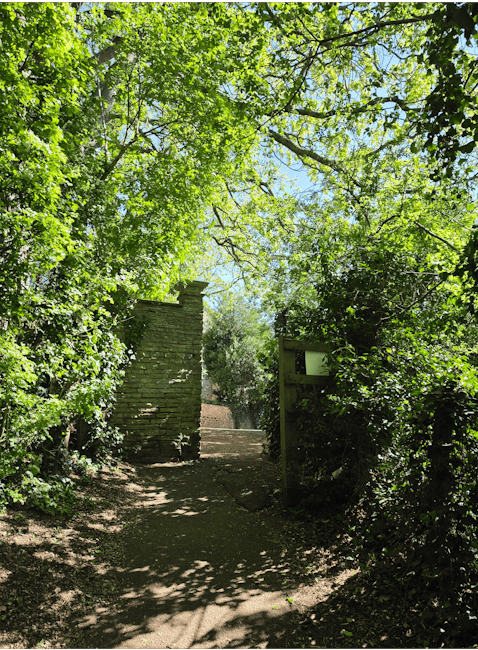
Epping Forest boundary planting by Woodford professional gardeners
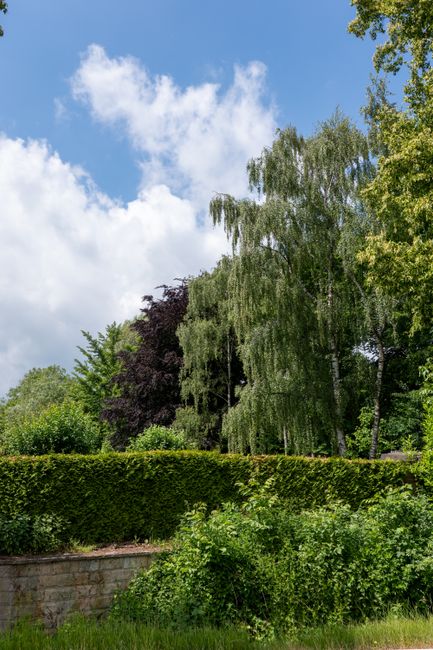
If you live near the forest edge, you already know the boundary line matters. It is not just a strip of soil or a place to "put some shrubs in later." Done well, boundary planting shapes privacy, softens hard edges, supports wildlife, and makes a garden feel finished rather than left a bit exposed. Epping Forest boundary planting by Woodford professional gardeners is about getting that balance right: practical, attractive, and suitable for local conditions that can be a little tougher than they first look.
In Woodford and the surrounding Epping Forest area, boundaries often deal with mixed shade, roots, wind exposure, narrow spaces, overlooked neighbours, and a surprising amount of seasonal pressure. A thoughtful planting plan can solve several problems at once, but only if the species, spacing, and aftercare are chosen properly. This guide walks through the real-world approach, the trade-offs, and the mistakes people most often make when they try to do it on the cheap. Let's face it, a boundary bed can look lovely in spring and still fail by the second winter if the basics are wrong.
Why Epping Forest boundary planting by Woodford professional gardeners Matters
Boundary planting does several jobs at once. It can create privacy without making a garden feel boxed in, frame a plot so it looks cared for, and build a softer transition between your home and the wider landscape. Near Epping Forest, that last point matters more than people often expect. Gardens in this part of London can sit close to mature trees, open aspects, and busy residential edges, so a planting plan has to be both visual and practical.
Professional gardeners in Woodford tend to think beyond the first season. That means asking questions like: Will this plant cope with root competition? Does the site get morning sun and afternoon shade? Is the soil likely to dry out quickly in summer? Will the planting need to work alongside existing fencing, a hedge line, or a patio edge? Those details sound small. They are not small. They decide whether the boundary feels settled or constantly "on the way" to becoming established.
There is also a quieter benefit that is easy to underestimate. Good boundary planting improves the everyday feel of a garden. You hear less of the road, you see fewer awkward sightlines from upstairs windows, and the space feels calmer at the end of a long day. A well-chosen border can make a modest garden feel like a proper retreat, and that is not marketing fluff; it is simply how people use their outdoor space.
If your boundary project is tied to wider garden work, it often makes sense to look at professional landscaping support or regular garden maintenance as well. Boundary planting is much easier to keep looking good when it is part of an overall plan rather than a lone feature trying to carry the whole garden on its back.
How Epping Forest boundary planting by Woodford professional gardeners Works
The process usually starts with the site itself. A professional gardener will look at the boundary line, the soil, drainage, sun exposure, existing structures, and any nearby mature planting. In the Epping Forest and Woodford context, that review matters because conditions can vary sharply from one property to the next. One garden may be shaded by trees and hold moisture; another may be dry, exposed, and rather unforgiving by late July.
From there, the gardener normally develops a planting approach based on the goal. Privacy planting is different from decorative screening. Wildlife-friendly boundary planting is different again. And if you need to protect a patio or define a side return, the spacing and growth habit should be planned carefully. It is a bit like choosing shoes for different weather. Same feet, different job.
The actual implementation often involves preparing the line properly, improving the soil where needed, and setting out plants with enough room to grow into their mature shape. That last point gets ignored far too often. A shrub that looks neat in a pot can become an awkward squeeze two years later if it is planted too close to a fence or another root system. The best results usually come from patient spacing rather than cramming everything in for instant fullness.
After planting, the early care matters just as much as the design. New plants need consistent watering, weed control, and checking for wind rock or dry pockets. In many boundary jobs, the follow-up phase is where the real success is won. A tidy installation without aftercare can still wobble. A decent plan with good aftercare, on the other hand, tends to settle beautifully.
Key Benefits and Practical Advantages
Boundary planting earns its place because it does several practical things better than a bare fence or a hard edge alone.
- Privacy without harshness: Plants soften views and reduce the feeling of being overlooked.
- Better garden structure: A boundary layer gives the whole space shape and direction.
- More seasonal interest: Leaves, flowers, berries, and stems add changing texture through the year.
- Wildlife value: Well-chosen plants can support pollinators and birds without making the garden feel untidy.
- Better microclimate: Planting can help reduce wind exposure and make patio areas feel more sheltered.
- Stronger kerb appeal: A clean boundary line often makes the whole property look more cared for.
There is also a maintenance advantage. A sensible planting scheme can be easier to manage than a boundary that is constantly fighting weeds, bare patches, or thin growth. If you pair it with hedge trimming where hedges are part of the boundary, you can keep the line crisp without losing the softness that plants bring. That combination is often the sweet spot for family gardens.
One of the nicest practical outcomes, truth be told, is how boundary planting changes the way people use the garden. A side return becomes less of a forgotten passage. A rear edge becomes a destination. Even a narrow strip can start to feel intentional instead of leftover.
Who This Is For and When It Makes Sense
This kind of work suits a wide range of property owners, but it is especially useful if your boundary is doing too little or too much. If you have a fence that feels stark, a hedge that has gaps, or a garden that is visible from neighbouring windows, planting can restore balance. It also makes sense where existing shrubs have become woody, thin, or patchy and need replacing rather than endlessly patched up.
Boundary planting is a strong choice for:
- homeowners who want more privacy without building a solid screen
- families looking to soften a hard fence line
- gardeners planning a more wildlife-friendly layout
- properties with difficult edges, slopes, or shaded borders
- people refreshing a tired garden before listing a property
- clients who want the boundary to work with decking, paths, or planting beds
It is not always the answer, of course. If you need immediate full screening in a very narrow space, a planted boundary may take time to deliver. In those cases, a mixed approach can work better: planting combined with a fence, trellis, or structural feature. The right answer depends on your patience, your budget, and what the site can realistically support.
For gardens that need a bigger reset first, a bit of garden clearance may be the sensible starting point. No shame in that. Sometimes the best planting begins with a proper clear-out and a fresh look at what is actually possible.
Step-by-Step Guidance
- Assess the boundary conditions. Look at light, soil, drainage, shade from trees, access, and any existing structures. This is where a lot of good decisions start.
- Define the purpose. Decide whether the aim is privacy, screening, decoration, wildlife support, or all of the above.
- Choose the right planting style. Use shrubs, mixed borders, hedging, climbers, or layered planting depending on the space.
- Prepare the ground. Remove weeds, improve soil where needed, and make sure roots will not sit in a waterlogged pocket.
- Set spacing with maturity in mind. Plant for the size the shrubs will become, not just the size they are on day one.
- Install edging or support if needed. Some boundaries benefit from edging, supports, or a link to fencing work if the structure needs help.
- Water thoroughly and mulch. This reduces stress and keeps moisture more consistent in the early stages.
- Plan aftercare. Check watering, pruning, weed growth, and establishment over the first season.
A real-world example: a narrow boundary in a Woodford garden might start with tired laurels and a dry, exposed soil strip. A professional gardener could clear out the weakest plants, improve the ground, and replace them with a mixed scheme that gives year-round form without becoming a jungle. A year later, the space feels calmer, greener, and far less patchy. Not dramatic. Just better. Sometimes that is exactly what a garden needs.
Expert Tips for Better Results
There are a few things experienced gardeners quietly rely on. They are not glamorous, but they save a lot of disappointment.
- Think in layers. A boundary looks more natural when height, mid-layer shrubs, and ground cover work together.
- Prefer resilient plants over fashionable ones. Fashion fades. A plant that hates your soil will not.
- Keep access in mind. Leave room to prune, water, and inspect the planting later.
- Use repetition carefully. Repeating a few species creates calm and consistency.
- Allow breathing space near trees. If roots are heavy, be realistic about what can thrive there.
- Pair planting with maintenance. A smart boundary scheme is easier to sustain with regular care, especially in the first year.
One slightly unglamorous tip: take photos from inside the house before and after. Morning, afternoon, and dusk if possible. You will notice different sightlines, and that often tells you more than standing outside with a tape measure ever does. Funny how that works.
If the boundary sits close to hard surfaces, you may also want to think about how the planting relates to nearby patio cleaning and paved areas. A clean edge next to fresh planting can make the whole space feel sharper and more cared for. It is all connected, really.
Common Mistakes to Avoid
The biggest mistakes usually come from impatience. People want the boundary to look finished immediately, so they plant too tightly, choose the wrong type of shrub, or skip soil preparation because it looks "good enough." Then summer arrives, or a windy winter, and the problems show up.
- Planting too close together: overcrowding leads to weak growth, disease pressure, and awkward reshaping later.
- Ignoring mature size: a small plant can become a serious problem if it outgrows the space.
- Choosing the wrong plant for the light: shade lovers in full sun, sun lovers in shade, and everyone suffers.
- Skipping soil improvement: poor soil gives poor results, no matter how nice the plants look on the day.
- Forgetting maintenance access: once plants fill out, awkward gaps become hard to work in.
- Assuming every boundary needs the same treatment: a front edge, rear edge, and side return rarely need identical solutions.
Another common issue is treating planting and screening as the same thing. They overlap, sure, but they are not identical. A screening boundary needs height, density, and structure. A decorative boundary may need lightness, movement, and seasonal change. Knowing the difference saves both money and disappointment.
Tools, Resources and Recommendations
Good boundary planting does not require a shed full of specialist kit, but it does depend on the right basics. In practice, professional gardeners often use:
- spades, forks, and hand trowels for planting and soil work
- mulch or compost to improve moisture retention and soil condition
- watering cans or hoses for establishment care
- secateurs and pruning tools for shaping and deadheading
- gloves and edge tools for tidying the boundary line
- measuring tools for spacing and alignment
Beyond tools, the real recommendation is to take a whole-garden view. A boundary rarely sits in isolation. It may need support from general gardening services, seasonal lawn care, or longer-term landscape gardening if you want the edge to blend into the rest of the property properly. That joined-up approach often gives the best long-term value.
If you are comparing providers, ask what they recommend for aftercare, how they handle access and waste, and whether they will explain the planting choices in plain English. You should never need a decoder ring for a garden quote. Honestly, if the explanation is foggy, that is a warning sign.
Law, Compliance, Standards, or Best Practice
Boundary planting is usually straightforward, but it still sits within ordinary UK expectations for safe and responsible garden work. That means a careful approach to access, waste handling, plant choice, and any work near fences, trees, or shared boundaries. If the planting is close to neighbouring property lines, it is wise to avoid assumptions about ownership, maintenance responsibility, or where roots and branches may travel over time.
In practical terms, best practice means:
- confirming the boundary line before installing permanent planting
- checking whether nearby trees create root competition or shading issues
- ensuring work is carried out safely around access routes and hard surfaces
- managing waste responsibly and keeping the site tidy
- using insurance-aware, safety-conscious working methods
If tree roots, overhang, or heavy shade are involved, a more specialised assessment may be needed. In those cases, the boundary plan may need to sit alongside tree surgery or tree lopping and removal work where appropriate. That is not always required, but when it is, ignoring it usually causes trouble later. Better to be cautious now than fight a stubborn planting bed for years.
It is also sensible to choose a company that works transparently with matters such as insurance and safety and sets out expectations clearly in its terms and conditions. Garden work can seem informal, but good practice is still good practice.
Options, Methods, or Comparison Table
There is no single "best" boundary planting method. The right choice depends on the look you want, the speed you need, and how much maintenance you are willing to take on.
| Method | Best for | Strengths | Trade-offs |
|---|---|---|---|
| Mixed shrub border | Softening fences and creating year-round interest | Natural look, layered texture, good biodiversity value | Needs thoughtful design and early maintenance |
| Formal hedge line | Clean screening and sharper structure | Neat appearance, strong boundary definition | Requires regular trimming and time to establish |
| Climbers on support | Narrow spaces and vertical screening | Useful where floor space is limited | Needs support and ongoing shaping |
| Layered planting with fence support | Areas needing privacy plus softness | Balanced, flexible, good visual depth | More planning and sometimes more upfront cost |
For many Woodford gardens near Epping Forest, the layered approach is the most forgiving. It handles awkward site conditions better than a single-strip solution and gives you options if one plant species struggles. To be fair, gardens change. People move furniture, trees grow, neighbours alter their boundaries. Flexibility is underrated.
Case Study or Real-World Example
Imagine a typical side boundary in a Woodford property: a long, slightly shaded strip beside a fence, with thin soil, a few patchy shrubs, and not much privacy from upstairs windows. It is not a disaster, just a bit tired. The sort of space people stop noticing because they have looked at it too long.
A professional gardener would usually begin by clearing the old growth, checking for roots and drainage issues, and then mapping the light across the day. The planting plan might combine evergreen structure with a few seasonal shrubs and softer lower planting to stop the edge feeling harsh. If the existing fence is sound, the planting can work alongside it. If not, the boundary may be improved in tandem with fencing or other structural work.
After planting, the first few months are about consistency. Watering, weeding, and a light shaping routine help the new border settle. By the following season, the strip no longer looks like a leftover gap. It reads as part of the garden's design. Nothing flashy. Just a more settled, more private, more pleasant space to walk past on a damp Tuesday morning when the air smells a bit green and the path is still cool underfoot.
Practical Checklist
Use this checklist before starting boundary planting near Epping Forest or in Woodford:
- Confirm what the boundary needs most: privacy, screening, decoration, or wildlife value.
- Check sun, shade, wind exposure, and soil drainage.
- Measure the available width and allow for mature plant size.
- Decide whether the planting will work alone or alongside fencing or hard landscaping.
- Clear weeds, debris, and any weak old planting first.
- Choose plants that suit the site rather than forcing a favourite species into the wrong spot.
- Plan watering and aftercare for the first season.
- Keep access open for maintenance and future pruning.
- Check whether trees, roots, or shade are likely to affect growth.
- Get a clear written quote and timeline before work begins.
If you want a boundary that stays healthy rather than simply looking good for a month, this checklist is the difference between "nice idea" and "works in real life."
Conclusion
Epping Forest boundary planting by Woodford professional gardeners is really about making the edge of your garden work harder for you. Done well, it brings privacy, structure, and seasonal life without making the space feel boxed in or overworked. It also helps a garden cope better with the local realities of shade, roots, wind, and everyday use.
The best projects begin with a clear purpose and a realistic plan. From there, the details matter: right plant, right place, right spacing, and proper aftercare. Nothing fancy. Just careful, experienced work that respects the site and the people living with it. That is usually where the nicest results come from.
For straightforward advice, transparent pricing, and a boundary plan that suits your garden rather than a generic template, speak with a local team that understands the wider context of Woodford gardens and Epping Forest conditions. If you are also reviewing the rest of the garden, it can help to explore their about us information and see how their wider recycling and sustainability approach fits your own priorities.
Get a free quote today and see how much you can save.
Sometimes the best garden changes are the quiet ones. A better boundary can change the whole mood of a place, and that is a lovely thing to get right.
Frequently Asked Questions
What is boundary planting in a garden?
Boundary planting is the use of shrubs, hedging, climbers, and mixed planting along the edge of a garden to create privacy, soften hard lines, and improve the overall look of the space.
Why use professional gardeners for boundary planting near Epping Forest?
Professional gardeners can assess soil, shade, drainage, spacing, and long-term maintenance needs, which is especially useful where local conditions are variable or mature trees affect the site.
How long does boundary planting take to establish?
That depends on the plants chosen and the site conditions, but most boundary schemes need at least one full growing season to settle properly, and some take longer to reach their best form.
Can boundary planting replace a fence?
Sometimes, but not always. Planting can provide screening and privacy, though many gardens benefit from a combined approach using planting plus fencing or trellis support.
What plants work best for boundary planting in Woodford?
The best plants depend on sun, shade, soil, and the look you want. A professional gardener will usually suggest species that suit local conditions rather than following a one-size-fits-all list.
Is boundary planting high maintenance?
It can be low or moderate maintenance if designed well. A mixed planting scheme usually needs less ongoing effort than a formal hedge, but new planting always needs early care.
How much space do I need for boundary planting?
It depends on the method. Narrow climber-based schemes need less ground space, while mixed shrub borders and hedging need more room to grow without becoming cramped.
What are the most common boundary planting mistakes?
Typical mistakes include planting too close together, ignoring mature size, choosing the wrong plants for the light, and skipping soil preparation or aftercare.
Will boundary planting attract wildlife?
It can, especially if the scheme includes varied shrubs, flowers, and some sheltering structure. Many people like that added wildlife value, though it should still be balanced with maintenance and tidiness.
Do I need to think about trees near the boundary?
Yes. Nearby trees can affect shade, root competition, and moisture levels. In some cases, tree work or specialist assessment may be needed before planting is likely to succeed.
How do I know whether my boundary needs planting or landscaping?
If the issue is mainly visual softness, screening, or privacy, planting may be enough. If the space also needs structure, access changes, or a bigger layout refresh, broader landscaping may be the better route.
Can boundary planting be added to an existing garden design?
Absolutely. In fact, many of the best results come from improving a boundary as part of a wider garden update, rather than treating it as a separate afterthought.
Should I ask for maintenance support after planting?
Yes, especially for the first year. Early maintenance makes a huge difference to establishment, and it helps protect your investment while the plants settle in.