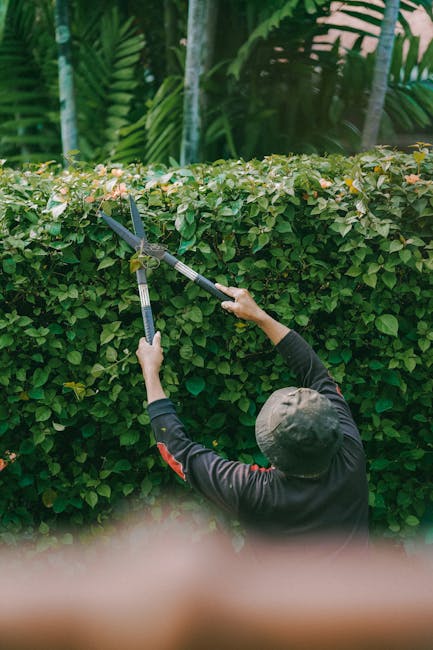
Real cost of garden maintenance in Woodford: what to expect
If you are trying to budget for garden care in Woodford, the honest answer is that the real cost of garden maintenance in Woodford what to expect depends on the size of the garden, the amount of overgrowth, how often you want visits, and whether you need regular upkeep or one-off rescue work. A tidy front garden with light lawn care is a very different job from a back garden that has been left alone through a wet spring and now needs pruning, weeding, hedge work, and a proper reset. Truth be told, that difference is where most pricing surprises come from.
This guide breaks down what affects pricing, what a fair quote usually reflects, and how to tell whether you are paying for a sensible, well-scoped service or for avoidable extras. You will also see where services such as garden maintenance, lawn mowing, lawn care, and hedge trimming fit into the picture, plus when a broader tidy-up or even landscaping might be the better long-term spend.
Table of Contents
- Why the real cost matters
- How pricing for garden maintenance usually works
- Key benefits and practical advantages
- Who this is for and when it makes sense
- Step-by-step guidance for budgeting
- Expert tips for better value
- Common mistakes to avoid
- Tools, resources and recommendations
- Law, compliance, standards and best practice
- Options, methods and comparison table
- Case study or real-world example
- Practical checklist
- Conclusion
- Frequently asked questions
Why Real cost of garden maintenance in Woodford what to expect Matters
Garden maintenance is one of those home costs that feels easy to underestimate until the weeds have taken over the borders and the hedge starts leaning into the neighbour's side. In Woodford, gardens vary a lot. Some are compact, paved, and straightforward. Others have mature planting, long grass, awkward corners, old ivy, shaded areas, or a lawn that drinks in moisture and grows faster than you planned. That variety matters because it changes the labour, time, and equipment needed.
The real cost matters for another reason too: it helps you decide what to maintain now and what can wait. Not every garden needs a full overhaul each visit. Sometimes the smartest move is a lighter, regular service that keeps everything manageable. Other times, paying a bit more for a bigger first visit saves money later because the garden stops slipping into expensive neglect. And yes, gardens do have a way of quietly getting away from people. One minute you are thinking about a quick tidy; the next, you are staring at a jungle with secateurs in hand and wondering how you got there.
For local homeowners, landlords, and busy families, understanding cost is also about avoiding false economy. A low quote can look appealing, but if it excludes weed control, hedge cuttings removal, lawn edging, or clearance, the final bill may creep up. A good price should feel clear, not mysterious.
How Real cost of garden maintenance in Woodford what to expect Works
Most garden maintenance pricing is shaped by a mix of garden size, task complexity, visit frequency, and site condition. Some providers price by time, some by job, and some by a recurring plan. There is no single perfect model, but there should always be a clear explanation of what is included.
In simple terms, you are usually paying for a combination of the following:
- Labour: the time needed to complete the work safely and properly.
- Materials: sometimes compost, feed, mulch, or treatment products if agreed in advance.
- Waste removal: green waste bags, loading, and disposal can add to the cost.
- Equipment use: specialist tools for pruning, hedge work, or pressure cleaning may affect the quote.
- Access difficulty: narrow side passages, poor parking, or tricky entrances can make a job slower.
What many people miss is the difference between maintenance and recovery work. Maintenance is the regular keeping-up: mowing, weeding, edging, trimming, tidying beds, and making sure everything looks under control. Recovery work is heavier. That is where the garden has been neglected and needs a reset. Recovery almost always costs more because it is messier, slower, and less predictable. No great mystery there.
If you are comparing quotes, look closely at whether the company is offering:
- one-off garden clearance
- ongoing garden maintenance visits
- seasonal tidy-ups
- specialist add-ons like patio cleaning, decking services, or tree surgery
That distinction is important because a broad garden maintenance package can be far better value than booking several separate visits for each little task.
Key Benefits and Practical Advantages
There is a practical side to regular maintenance that is easy to overlook when you are focused on cost alone. A well-kept garden is not just prettier; it is easier, cheaper, and less stressful to manage over time.
Some of the main benefits include:
- Lower long-term spend: small, regular work usually costs less than letting jobs stack up.
- Better plant health: pruning, feeding, and seasonal care help plants recover and grow properly.
- Safer outdoor spaces: reduced trip hazards, cleaner paths, and less hidden debris.
- More usable space: the garden becomes somewhere you actually want to sit, walk, and enjoy.
- Improved property presentation: especially useful before moving, letting, or selling.
There is also a subtle but real emotional benefit. A neat, well-kept outdoor space changes how you feel about the home. You step outside on a grey morning and it no longer feels like a chore zone. It feels like yours again. That sounds a bit sentimental, perhaps, but anyone who has stood by a freshly edged lawn after weeks of rain will know exactly what I mean.
If your garden has specific needs, the value can be even higher. For example, dense climbers and self-seeding plants can be kept in check with regular care, and if ivy is becoming a problem, a dedicated approach such as the advice in this ivy removal guide can prevent repeat issues. Similarly, if you want a garden that stays visually balanced without constant heavy lifting, ideas from budget-friendly easy-care garden designs can help reduce future upkeep.
Who This Is For and When It Makes Sense
Garden maintenance services are not only for people with large estates or time-strapped professionals. They make sense for a lot of everyday situations in Woodford.
You may be a good fit if you are:
- a homeowner who wants the garden kept tidy without spending every weekend on it
- a landlord who needs a rental property to stay presentable between tenancies
- a family managing a busy home, school runs, work, and a growing list of outdoor jobs
- an older resident who wants the garden cared for safely and consistently
- someone with a garden that has become too much to catch up on alone
It also makes sense if your garden has particular challenges. Shaded corners, wind-exposed beds, heavy clay soil, pet traffic, or a mix of mature shrubs and younger plants can all benefit from thoughtful maintenance. A garden with dogs, for instance, may need a different approach to borders and lawn wear. That is where a practical read like gardening with dogs in mind becomes relevant, because it is not just about pretty planting, it is about how the space actually gets used.
If you are still deciding between small weekly jobs and a larger seasonal tidy, ask yourself one thing: do you want to maintain the garden, or do you want to rescue it every few months? The answer usually points to the right budget.
Step-by-Step Guidance
Budgeting for garden maintenance is much easier when you break the process down. Here is a simple way to approach it without overthinking everything.
- Walk the garden and list the jobs. Mowing, edging, weeding, pruning, hedge trimming, leaf clearance, patio cleaning, and green waste removal each affect the price.
- Separate regular work from one-off work. Weekly or fortnightly upkeep should be treated differently from a one-time clearance.
- Measure the scale. A small front garden, an average family garden, and a large plot with mature planting are all different jobs.
- Note access and condition. Is there parking nearby? Is the lawn overgrown? Are the beds heavily weeded? These details matter more than people expect.
- Decide what level of finish you want. Some customers want a tidy, functional garden. Others want crisp edges and showroom neatness. That choice affects labour time.
- Ask what the quote includes. Waste collection, plant care, and return visits should be clear before any work starts.
- Review the maintenance rhythm. A seasonal plan can be cheaper than reactive callouts because the work stays smaller.
It is worth being realistic here. If a task has been left for months, the first visit may be more expensive than the ongoing visits. That is normal. A good provider will usually explain why, rather than leaving you guessing. If the quote feels vague, ask for a breakdown. That is not being difficult; it is just sensible.
For gardens where structure matters, you might also compare specialist services. A neglected hedge can quickly shift from a maintenance task into a full trimming job, and if the growth is extensive, the hedge trimming service may be the most efficient route. If lawns are the main issue, dedicated lawn care can sometimes deliver better results than a broad general visit.
Expert Tips for Better Results
To get better value from garden maintenance, the trick is not simply to pay less. It is to spend smartly. Small decisions make a real difference.
- Keep the garden on a schedule. Regular work is nearly always easier to price than crisis work.
- Group related tasks together. If the team is already on site, adding a tidy-up around the patio or a small pruning job is often more efficient than booking separately.
- Prioritise the jobs that protect plant health. Weed control, pruning, and lawn recovery often matter more than cosmetic extras.
- Be clear about waste removal. That is one of the most common areas where people feel an invoice drifted upward.
- Use the seasons properly. Spring and autumn tend to be high-value maintenance periods, while winter may be better for structural work or protective care.
A small but useful tip: take photos of the garden before the first visit. Not because anyone needs drama, but because photos help both sides agree on the starting point. If a garden looks "a bit untidy" to one person and "wild enough for a wildlife documentary" to another, pictures save a lot of awkwardness.
Also, think about the garden you want in six months, not just the one you want today. That is where services like professional gardening services can pay off, especially if you want a consistent plan rather than a patchwork of emergency fixes. For bigger transformations, a one-off garden makeover approach can help reset the whole outdoor space before regular maintenance begins.
Common Mistakes to Avoid
Most budget mistakes are not dramatic. They are small misunderstandings that add up. And honestly, they happen all the time.
- Choosing the cheapest quote without checking scope. A low price can hide missing tasks.
- Forgetting about waste disposal. Green waste, cuttings, and debris are often extra unless agreed upfront.
- Mixing one-off clearance with routine care. These should usually be priced differently.
- Ignoring access problems. Narrow gates, long carrying distances, and limited parking can all increase labour time.
- Expecting perfection after neglect. If a garden has been left for months, the first visit may only get it back to a manageable base.
- Overlooking seasonal pressure. Spring growth, leaf fall, and storm damage can make some jobs more intensive than they look.
One more thing: avoid assuming every gardener works the same way. Some are maintenance-focused, some are better at clearing and resetting, and some are especially strong on planting and design. If you want a more specialist solution, it can be worth combining garden care with landscaping, patio cleaning, or even decking services where needed.
Tools, Resources and Recommendations
If you are doing part of the work yourself, or just want to understand what you are paying for, it helps to know the basic tools and services involved. No need to buy a shed full of kit, by the way. A few well-chosen tools go a long way.
- Hand tools: secateurs, loppers, pruning saws, edging tools, and trowels for small jobs.
- Power tools: lawn mower, hedge trimmer, strimmer, and leaf blower for faster upkeep.
- Soil and feed inputs: compost, mulch, and plant feed can improve results when used properly.
- Protective gear: gloves, sturdy footwear, and eye protection when cutting or clearing.
- Waste bags or bins: useful for keeping green waste manageable and tidy.
On the service side, it helps to think in layers. A basic maintenance visit might cover mowing and tidying. A more complete package might also include edging, pruning, light weeding, and debris removal. For example, if your lawn is the main feature, lawn mowing can be paired with lawn care for a healthier, more consistent finish. If your borders keep spreading aggressively, a bit of guidance from weed control tips and ground cover choices can reduce future maintenance pressure.
For people interested in lower-maintenance planting, there are some genuinely useful design angles to explore, such as ground cover ideas for UK gardens or fast-growing privacy hedges. These are not magic fixes, but they can reduce the amount of weekly intervention the garden needs.
Law, Compliance, Standards and Best Practice
For most homeowners, garden maintenance is straightforward. Still, there are a few practical compliance and safety points worth knowing. Providers should work safely, use equipment properly, and manage waste responsibly. If a job involves trees, large shrubs, or hazardous access, the work becomes more sensitive and should be handled carefully.
Best practice usually includes:
- clear written quotes or scope notes before work starts
- safe handling of tools and machinery
- appropriate care around pets, children, and neighbours' boundaries
- proper disposal or agreed management of green waste
- transparent handling of any higher-risk tasks, such as tree work
If you are booking work that may involve climbing, heavy cutting, or unstable growth, it is sensible to look at the provider's insurance and safety information, along with their health and safety policy. These pages do not need to be dramatic, they just need to show that the work is being approached properly.
For customer confidence, it also helps if a business is open about payment terms and expectations. That includes simple things such as how quotes are agreed, what happens if the scope changes, and how complaints are handled. You can usually get a good sense of that through pages like pricing and quotes, payment and security, and complaints procedure. Small details, yes, but they build trust.
Options, Methods and Comparison Table
Here is a simple comparison of the main ways people in Woodford usually manage garden upkeep.
| Option | Best for | Typical cost shape | Pros | Watch outs |
|---|---|---|---|---|
| Regular maintenance visits | Homes that need consistent upkeep | Smaller repeated visits | Predictable, easier to budget, prevents build-up | Needs routine commitment |
| One-off tidy-up | Overgrown gardens or seasonal clearances | Higher per visit | Fast reset, useful before events or tenancy changes | Can be more expensive if neglected |
| Task-specific services | Lawns, hedges, patios, trees, or fencing needs | Priced by task | Specialist focus, better results on one area | May need multiple bookings |
| Mixed maintenance and improvements | Gardens needing upkeep plus better layout | Medium to higher overall | Can improve usability and reduce future effort | Higher initial spend |
If you are unsure which route suits your budget, a mixed approach is often sensible. For example, use a bigger initial tidy-up to restore order, then switch to regular maintenance to keep things there. That usually beats paying for repeated rescue work. Far less stressful, too.
Case Study or Real-World Example
Here is a realistic example based on the sort of garden many people in Woodford have: a medium-sized back garden with a lawn, a hedge along one side, borders with mixed shrubs, a paved seating area, and a few patches of persistent weeds. Over spring and summer, it has had only occasional DIY attention. Nothing disastrous, just slowly slipping.
In that situation, the first visit often needs to cover:
- mowing an overgrown lawn
- edging around borders and paths
- cutting back the hedge
- removing weeds from the front and back beds
- clearing fallen leaves, twigs, and general debris
- tidying the patio so it feels usable again
The first appointment tends to cost more than later visits because it is a recovery job. After that, once the garden is on a regular cycle, the work becomes faster and easier. That is where value starts to show. Instead of battling the same overgrowth every month, you are paying for control.
One homeowner might decide to add a bit more structure too, perhaps by introducing stylish garden seating so the space gets used more, or by improving planting choices with ideas from weather-resilient garden planning. That does not just improve appearance; it can lower future maintenance needs by making the garden simpler to care for.
The lesson is fairly simple. Garden maintenance feels expensive when everything is reactive. It feels much more reasonable when it becomes part of the home routine.
Practical Checklist
Use this checklist before you request a quote or book a visit.
- List every task you want done, even the small ones.
- Decide whether you need one-off help or ongoing maintenance.
- Note the garden size and any awkward access points.
- Check whether waste removal is included.
- Ask if the quote covers mowing, hedge trimming, weeding, and clearance separately.
- Take a few photos of the garden in daylight.
- Think about any pets, children, or fragile planting that affect the work.
- Ask how often the provider recommends visits for your garden type.
- Review payment terms and what happens if the scope changes.
- Compare at least two options on scope, not just price.
Expert summary: the best garden maintenance quote is not necessarily the cheapest one. It is the one that clearly explains what will be done, how often it will happen, and what the garden will look like afterwards. Clear scope, steady upkeep, fewer surprises. That is the sweet spot.
Conclusion
The real cost of garden maintenance in Woodford comes down to clarity, condition, and consistency. A well-kept garden usually costs less over time than a neglected one, because each visit stays manageable and the work does not snowball. If you understand the difference between regular maintenance, seasonal tidy-ups, and heavier recovery work, you can budget with far more confidence.
For many households, the smartest move is to start with a clear assessment, then build a simple plan that matches how you actually use the space. Maybe that means lawn care and hedge trimming. Maybe it means a one-off reset followed by lighter visits. Either way, the goal is the same: a garden that feels calm, useful, and looked after rather than another thing hanging over your weekend.
If you are still unsure what your own garden needs, the best next step is to get a clear, itemised quote and compare the scope carefully. That one small conversation can save a surprising amount of money and hassle later.
Get a free quote today and see how much you can save.
And when the garden is finally back under control, there is a real pleasure in stepping outside and hearing nothing but a bit of wind in the leaves. Simple, but lovely.
Frequently Asked Questions
How much does garden maintenance usually cost in Woodford?
The cost varies depending on garden size, condition, and what is included. A light regular visit will usually cost less than a one-off clearance of an overgrown garden. The only reliable way to know is to request a quote based on the actual work needed.
Why do first-time garden visits cost more?
First visits often take longer because the garden may need catching up: mowing, weeding, pruning, hedge work, or waste clearance. Once the garden is under control, later visits are usually quicker and easier.
Is a regular garden maintenance plan cheaper than one-off visits?
Very often, yes. Regular maintenance prevents jobs from becoming larger and more labour-heavy. It is usually the better value option if you want the garden kept in good shape all year.
What should be included in a garden maintenance quote?
A good quote should explain the tasks included, how often visits will happen, whether waste removal is included, and whether extras such as patio cleaning or hedge trimming are separate.
Does garden size affect the price a lot?
Yes, size matters. Larger gardens take more time to mow, weed, prune, and clear. But layout matters too. A small garden with awkward corners or heavy overgrowth can sometimes take longer than a bigger, tidy one.
What tasks are usually covered in routine maintenance?
Routine maintenance often includes lawn mowing, edging, weeding, light pruning, hedge trimming, tidying borders, and collecting debris. Exact inclusions vary, so it is worth checking before booking.
Can I reduce maintenance costs by changing the planting?
Yes. Low-maintenance planting, ground cover, and well-chosen hedges can reduce the amount of frequent work needed. It is not a shortcut for every garden, but it can make a real difference over time.
Is waste removal normally part of the price?
Not always. Some services include green waste removal, while others treat it as an extra. It is one of the most common things people forget to ask about, so it is worth confirming upfront.
When does garden maintenance turn into landscaping work?
If the job is no longer just about upkeep and starts involving layout changes, new beds, hard landscaping, or structural improvements, it may be better described as landscaping rather than routine maintenance.
How often should a garden in Woodford be maintained?
That depends on the garden itself. Some need weekly or fortnightly attention in peak growing months, while others are fine with seasonal visits. Lawns, hedges, and fast-growing borders often need more frequent care in spring and summer.
What if my garden has become badly overgrown?
That is usually a one-off recovery job rather than routine maintenance. The first visit may be more expensive, but once the garden has been reset, ongoing upkeep should become simpler and cheaper.
How do I know if a gardener is good value?
Good value means clear pricing, sensible timing, proper scope, and reliable work. If the quote is transparent and the garden is left genuinely tidy, that is usually better value than a cheaper offer that cuts corners.
Should I ask about insurance and safety?
Yes. Especially for work involving trees, ladders, machinery, or awkward access. A professional provider should be able to explain their safety approach in plain English without making it feel complicated.
What is the smartest first step if I want to budget properly?
Walk the garden, list the jobs, decide whether you need a one-off reset or ongoing visits, and request a clear quote. That simple process usually gives the most realistic picture of cost and avoids nasty surprises later.