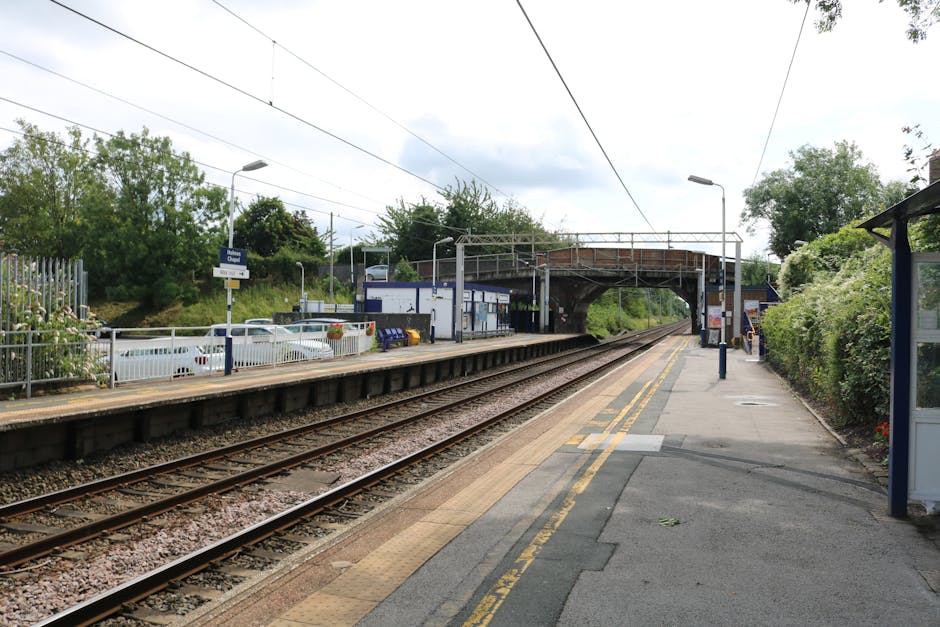
Snaresbrook station verge repairs Woodford gardeners case study
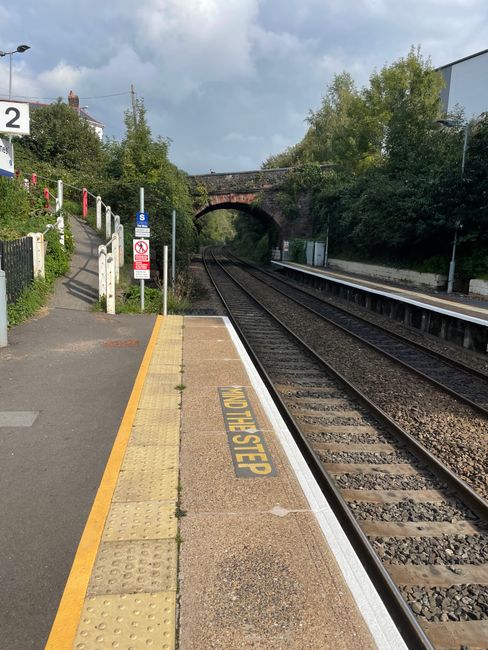
If you have ever walked past a scruffy verge outside a station and thought, "that should be a simple fix," you are half right and half wrong. Simple, yes. Straightforward, not always. This Snaresbrook station verge repairs Woodford gardeners case study looks at the practical side of repairing compacted, weather-hit roadside planting areas near a busy transport corridor, and why careful garden work makes such a difference in a place people pass every day.
In real life, verge repairs are rarely just about putting down fresh soil and hoping for the best. There is foot traffic, splashback from rain, wind tunnel effects, occasional litter, and the low-key pressure of making a small strip of green look tidy without turning it into a maintenance headache. Let's face it, a verge near a station has to work hard. This article breaks down what the job involves, what usually goes wrong, how a good garden team approaches it, and what to expect if you are planning something similar in Woodford or nearby.
Why Snaresbrook station verge repairs Woodford gardeners case study Matters
Station verges do more than fill a gap beside a pavement. They frame the first impression of a place. A damaged verge can make a street feel neglected, even when the nearby homes and shops are well cared for. On the other hand, a repaired verge gives structure, softens hard edges, and helps the whole frontage feel more intentional.
For a station location, the stakes are slightly higher. The area is exposed to constant movement: commuters, service access, weather wear, bin drag, and the occasional shortcut across planting. Soil compaction is common. Drainage can be patchy. Grass often fails where the ground has been repeatedly trodden down. So the job is not only decorative; it is restorative.
In our experience, that is where a local garden team with practical experience can really help. The aim is not to make the verge look pretty for a week. It is to rebuild it so it can actually hold up.
There is also a wider environmental benefit. Healthy verge planting can reduce dust, support pollinators, and prevent muddy erosion after rain. Nothing dramatic, nothing flashy. Just good, grounded landscape care. And sometimes, that is exactly what a busy public edge needs.
How Snaresbrook station verge repairs Woodford gardeners case study Works
The process usually starts with a proper look at the site rather than a rushed tidy-up. You check what has failed, why it failed, and what the verge can realistically support. That sounds obvious, but it is where many jobs either succeed or turn into repeat repairs.
A good repair sequence often includes some version of the following:
- clearing dead grass, weeds, litter, and loose debris
- testing how firm or compacted the soil is
- improving drainage if water is sitting on the surface
- rebuilding the soil profile with fresh topsoil or compost where suitable
- choosing planting or turfing that matches the site's exposure
- protecting the repaired section while it establishes
If the verge sits close to a station entrance or footpath, the repair method usually needs to be robust rather than delicate. Low, spreading ground cover can work better than decorative but fragile planting. In some cases, a simple edge definition and reseeding is enough. In others, the whole strip needs regrading and a tougher planting plan. Truth be told, it depends on how much abuse the verge has taken.
There is also timing to think about. Wet weather makes some work messy and risky. A dry spell is easier for soil preparation but may demand more watering afterward. That balance matters more than people expect.
Key Benefits and Practical Advantages
Good verge repairs are one of those jobs where the value is obvious once it has been done properly. The site looks calmer, safer, and more cared for. But the real benefits go a little deeper.
- Improved kerb appeal: A repaired verge supports the overall look of the station approach and nearby streets.
- Better resilience: Stronger soil structure and smarter planting reduce the chance of fast repeat failure.
- Less mud and mess: Well-managed edges help stop soil tracking onto paths and road margins.
- Cleaner visual lines: Defined verges make public spaces feel more deliberate and less abandoned.
- Lower future maintenance pressure: A repair that starts well usually costs less to keep up later.
There is another practical advantage that gets overlooked: a repaired verge gives maintenance teams a clearer plan. Instead of patching the same weak point again and again, you can establish a routine that makes sense. It is a bit like fixing a leaky gutter properly rather than sticking a bucket underneath it. Less drama. More control.
For local homeowners, landlords, or managing agents, that predictability is useful. It keeps small public-facing spaces from sliding into a cycle of constant patchwork repairs.
Who This Is For and When It Makes Sense
This kind of project is relevant to more people than you might think. It is not only for transport sites or councils. Anyone responsible for a narrow, exposed green strip can face the same issues.
You may need verge repair if you are:
- managing land beside a footpath, road, or station approach
- dealing with repeated turf loss or bare patches
- trying to stop runoff, puddling, or erosion after rain
- looking to tidy up a frontage before seasonal footfall increases
- replacing failed planting after construction, works access, or heavy use
It also makes sense when the verge has become a visual weak spot. You know the type: one patch looks fine, the next is thin and muddy, and then the whole strip starts to look tired. It spreads. Very quickly, actually.
If the area has pets, pedestrians, wheelbarrows, or repeated maintenance traffic moving through it, the repair plan needs to be tougher than a typical ornamental border. That is where experienced garden planning matters more than guesswork.
Step-by-Step Guidance
A dependable verge repair follows a clear sequence. You can trim this process in small domestic jobs, but the order matters. Skip the prep and the surface fix will not last. It is that simple.
- Inspect the damage. Identify whether the issue is surface wear, soil loss, compaction, poor drainage, or all four.
- Clear the area. Remove weeds, dead grass, rubbish, broken edging, and anything loose that will interfere with repair.
- Loosen and rebuild the soil. Scarify, fork, or lift compacted ground where suitable, then add improved topsoil or compost.
- Shape the verge properly. Set levels so water drains away rather than collecting at the lowest point.
- Choose the right finish. Depending on pressure and exposure, use turf, seed, mulch, or resilient planting.
- Protect the repair. Temporary barriers, edging, or signage can reduce damage while the area establishes.
- Set the follow-up schedule. Check watering, mowing, and weed control early rather than waiting for the new surface to fail.
One small detail often makes a big difference: edge definition. A neat border or physical edge helps prevent soil creep and makes the repair look finished from day one. Without that, even a decent repair can look a bit lost.
If the verge is long and narrow, it is usually better to repair in sections than to strip the whole thing at once. That keeps the site manageable and reduces the chance of a bare, vulnerable stretch sitting exposed for too long.
Expert Tips for Better Results
Here is where the job gets more interesting. The basics are important, but the little decisions often separate a repair that lasts from one that needs redoing after the first wet week.
1. Match the planting to the abuse level. If people routinely step across the verge, do not choose something fragile and high-maintenance. Use resilient ground cover or hardier turf blends where appropriate.
2. Prioritise drainage over decoration. A pretty surface on top of soggy ground is not a win. Fixing the water movement usually matters more than adding one more layer of top dressing.
3. Keep maintenance access in mind. The best repair is one that can be mown, trimmed, or weeded without creating a mini obstacle course.
4. Think seasonally. Cold, windy periods can be hard on new growth. If you want a broader seasonal strategy, it can help to review ideas from winter plant care guidance and apply the same common sense to exposed verge work.
5. Plan for wind. A station verge can feel surprisingly exposed. Even a small gust can dry the surface quickly, so watering and mulching need a bit more attention than in a sheltered back garden. Annoying, yes. Predictable, also yes.
6. Use tidy, repeated maintenance. A monthly light touch often beats a rare heavy-handed intervention. That is true for many public-facing garden areas, and particularly for compact verge spaces.
There is a quiet art to making a small green strip look easy. Usually, it is not easy at all. It just looks that way because the preparation was done properly.
Common Mistakes to Avoid
Most verge repair problems come from a handful of very ordinary mistakes. They are easy to make, especially when the site looks simpler than it really is.
- Skipping the soil assessment: If the ground is compacted, topdressing alone will not solve much.
- Choosing ornamental planting that cannot cope: Delicate species may look good at first, then struggle fast.
- Ignoring drainage: Poor drainage turns a repair into a muddy patch very quickly.
- Leaving the edge undefined: Without a clean border, the verge can unravel or get trodden out again.
- Overwatering newly repaired ground: Saturation can be just as damaging as dryness.
- Forgetting the follow-up: A repair is a process, not a one-off event.
Another mistake is treating all verges as though they are the same. A station verge is not a quiet residential border. Different pressures, different wear, different expectations. That sounds obvious, but it gets missed more often than it should.
If you want to improve the odds of success, it is worth thinking in terms of prevention, not just repair. For example, smart edge management and occasional hedge trimming nearby can reduce shade, debris, and encroachment that make the verge harder to maintain.
Tools, Resources and Recommendations
You do not need a van full of specialist kit to repair a verge well, but you do need the right basics and a realistic plan. A tidy-looking job often comes from surprisingly ordinary tools used with care.
Useful tools and materials may include:
- spades and border forks
- rakes for clearing and levelling
- lawn knives or edging tools
- wheelbarrows or tubs for debris removal
- topsoil, compost, or soil improver
- seed, turf, mulch, or tough planting stock
- watering cans, hoses, or temporary irrigation support
If the area is especially compacted or awkwardly shaped, professional site assessment can save a lot of trial and error. A broader service such as garden maintenance may also help if the verge sits within a wider green corridor that needs ongoing care.
For planning and budgeting, pricing and quotes are useful when you want a clearer sense of the likely scope before any work begins. And if the area includes adjacent planting, landscaping support can help tie the repair into the wider setting instead of leaving it looking like a bolt-on patch.
One more thing: if the verge repair is part of a wider refresh, it can be worth looking at patio cleaning, lawn care, or even routine mowing in nearby green areas, because the whole frontage tends to read as one space in the eye of the public.
Law, Compliance, Standards and Best Practice
For verge repairs near transport or public access points, good practice usually matters more than chasing a dramatic makeover. The details will depend on ownership, access, and local arrangements, so it is sensible to treat compliance carefully rather than casually.
In practical terms, that means checking:
- who is responsible for the land and ongoing maintenance
- whether access routes need to remain open during works
- if any barriers or warning measures are needed while the area establishes
- what level of planting or surface finish is appropriate for the site
- how the work fits with normal health and safety expectations
For a job like this, best practice usually includes tidy site management, sensible manual handling, safe tool use, and a clear plan for public-facing work. If you are briefing a contractor, it is fair to ask how they handle risk, insurance, and site protection. That is not being difficult. It is just sensible.
It can also help to review the company's own policies before instruction. Pages such as health and safety policy, insurance and safety, and terms and conditions give a clearer picture of working standards, especially where public access and shared responsibility are involved.
Privacy and complaints processes matter too, not because they are exciting, but because good service should be transparent. A little boring, yes. Also reassuring.
Options, Methods, or Comparison Table
There is no one-size-fits-all verge repair method. The right choice depends on traffic, exposure, budget, and how quickly you want the area to look complete. The table below gives a practical comparison.
| Method | Best for | Strengths | Limitations |
|---|---|---|---|
| Reseeding | Light wear and manageable foot pressure | Low cost, flexible, easy to blend in | Slower to establish, vulnerable before it roots |
| Returfing | Visible patches that need a quicker visual fix | Immediate finish, tidy appearance | Needs good prep and follow-up watering |
| Ground cover planting | Exposed edges or lower-maintenance areas | Can be durable and attractive | Species choice matters a lot |
| Edging plus soil rebuild | Repeated edge collapse or soil creep | Strong structure, better long-term control | More labour at the outset |
If the verge sits beside a noisy, busy route, durability usually wins over novelty. If it is a more sheltered pocket, you may have more room to be decorative. Either way, the method should fit the site, not the other way round.
For owners who want a broader refresh rather than a single repair, a fuller gardening services package may be more efficient than piecemeal work. It depends on how much of the frontage is playing up at once.
Case Study or Real-World Example
Here is a realistic example based on the kind of problem a local team might face at a station verge in the Woodford area.
A narrow verge beside the station approach had become uneven and patchy. The centre section was thin, the edge nearest the pavement had collapsed in places, and weeds were taking advantage of every weak spot. After repeated foot traffic and wet weather, the surface looked tired and slightly muddy, especially in the morning rush when people naturally cut close to the edge.
The repair approach was straightforward but careful. First came a full clear-out of debris and weak growth. Then the compacted soil was loosened and rebuilt in the damaged sections. The edge was reset so the transition from path to planting felt deliberate rather than accidental. Instead of relying on a fragile finish, the team chose a tougher surface solution that could handle exposure and mild trampling better than a delicate border planting scheme.
What made the biggest difference was not any one dramatic move. It was the sequence. Good prep. Sensible material choice. A finish that matched the site. And follow-up checks in the first few weeks, because that is when a verge either settles or starts to wobble again.
The end result was calmer, cleaner, and much easier to maintain. Not glamorous, perhaps, but genuinely effective. Which, to be fair, is what a station verge should be.
For nearby property owners or managers who want a broader local garden refresh after a repair like this, our approach and working values can help frame the kind of long-term care that keeps small outdoor spaces from falling back into disrepair.
Practical Checklist
Use this checklist before, during, or after verge repairs.
- Confirm who is responsible for the verge and ongoing upkeep.
- Inspect the damage in daylight and after rain if possible.
- Check for compacted soil, poor drainage, and weak edges.
- Clear debris, dead material, and invasive weeds first.
- Rebuild soil levels where needed before planting or turfing.
- Choose a finish that suits foot traffic and exposure.
- Protect the repaired area while it establishes.
- Plan watering and follow-up visits early, not later.
- Keep a maintenance routine that is light but regular.
- Review safety, access, and insurance considerations before work starts.
If you can tick most of those boxes, you are already ahead of the game. Honestly, a lot of verge repair failures come from rushing the first three items.
Get a free quote today and see how much you can save.
Conclusion
The strongest lesson from this Snaresbrook station verge repairs Woodford gardeners case study is simple: small public-facing green spaces need more than a cosmetic tidy. They need proper diagnosis, practical materials, and a maintenance plan that respects how hard those spaces work every day.
When a verge is repaired well, the whole area feels more settled. The path looks cleaner. The boundary makes sense. People notice, even if they do not stop to think about why. That is the quiet power of good garden work.
If you are weighing up a similar project, start with the site conditions, not the finish you imagine in your head. That small shift tends to save time, money, and a fair bit of frustration. And there is something satisfying about getting a space back into shape properly, isn't there?
Frequently Asked Questions
What is the main purpose of verge repairs near Snaresbrook station?
The main purpose is to restore a damaged, compacted, or eroded green strip so it looks better, drains properly, and can withstand regular foot traffic and weather exposure.
How long does a station verge repair usually last?
That depends on soil condition, traffic, and maintenance. A well-prepared repair with the right finish and follow-up care will usually last much longer than a quick patch job.
Is turfing better than seeding for a verge repair?
Turfing gives a faster visual result, while seeding can be more flexible and cost-conscious. The better choice depends on how exposed the verge is and how quickly it needs to recover.
What causes station verges to fail in the first place?
Common causes include compaction, repeated trampling, poor drainage, shallow soil, wind exposure, and weeds taking over weak patches. Often it is a mix, not just one issue.
Do verge repairs need special permissions?
Sometimes they do, depending on land ownership, access, and whether the area affects public routes. It is best to confirm responsibility and any access requirements before work starts.
Can damaged verge edges be repaired without redoing the whole strip?
Yes, often they can. If only the edge or one section has failed, targeted repair may be enough. The key is to make sure the root cause is addressed, not just the visible damage.
What plants work well in exposed verge areas?
Hardier ground cover and resilient, low-growing planting usually work better than delicate ornamental species. The exact choice should match foot pressure, shade, sun, and maintenance access.
How do gardeners stop a verge from getting muddy again?
They usually improve drainage, rebuild the soil structure, define the edge, and use a finish that copes with the site's traffic level. Good maintenance after repair matters too.
What is the biggest mistake people make with verge repairs?
The biggest mistake is treating the surface only. If the soil is compacted or the edge is weak, a surface fix will often fail again quite quickly.
Are verge repairs expensive?
Costs vary depending on the size of the area, the level of damage, and the chosen finish. Minor repairs are usually more affordable than full rebuilds, but a proper assessment gives the clearest view.
How should a repaired verge be maintained afterwards?
Keep the area lightly watered if needed, remove weeds early, check for settling, and avoid heavy disturbance during establishment. Small, regular care usually works best.
Can verge repair be part of a larger garden or frontage refresh?
Yes, and often that is the smarter route. Pairing verge work with wider garden maintenance, landscaping, or lawn care can create a more cohesive and easier-to-manage result.